

















Off-Grid Deals and Tips
Stay Charged
Be first to hear about new products, seasonal deals, and off-grid power tips.
Stored Power, Waiting On You
A solar battery lets you store electricity your solar panels make during the day, so your solar system keeps running after dark. Every battery here is built for repeated battery discharge down to a low state of charge. Hold that excess energy instead of losing it, and you stop leaning on the local utility every time the sun goes down.


Two decades of off-grid and renewable energy experience stand behind every solar battery system here, from a single 12V AGM to a 44 kWh cabinet set.

Experts size the bank, the charge controller, and the inverter to your loads. Call a live tech at 888-417-8673 or use technical support before or after you buy.

Spread the cost of a lithium battery bank at checkout so you can start building clean energy independence now and pay over time.

Most battery orders ship free from our U.S. warehouse to the 48 states (some exclusions apply), so your deep cycle battery arrives without added freight.

“I received great advice from tech support … After two days running it was fully charged and held the same amount of energy as the former two batteries.”

“Easy to connect with a knowledgeable sales person who could understand my application (keeping a sump pump operational during power outage) … Everything connected easily and seems to work fine.”

“I have a shop in northern Ca. & this is the second time I have used The Inverter Store. … both times everything came in a timely fashion. … Highly recommend!”
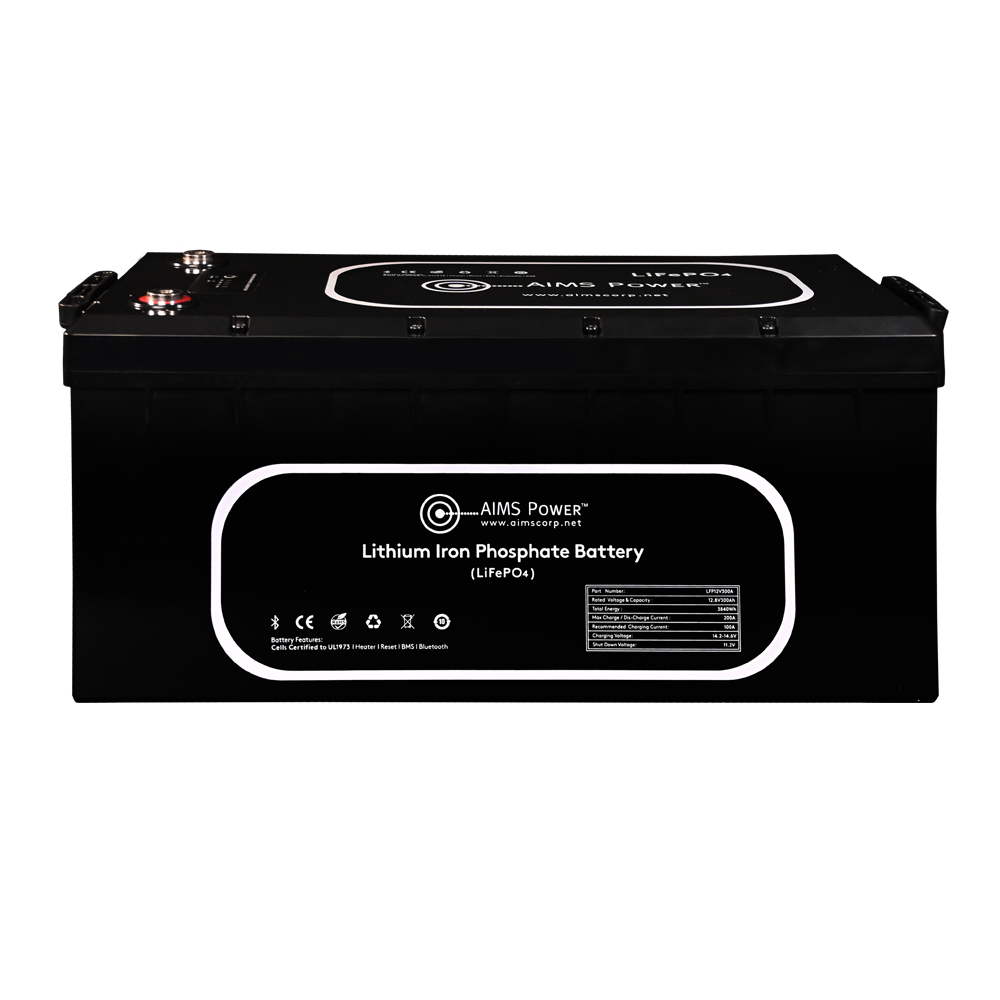
Add up the watt hours you use in a day, then divide by the usable capacity of one battery. A 300Ah 12V lithium battery holds 3,840 watt hours and gives you nearly all of it. A 200Ah AGM holds 2,400 watt-hours but should only run down about halfway, so count on 1,200. Size the solar battery system for a full day of electricity demand, then add a second day if a longer power outage is a concern. A tech can run the math with you by phone, or see our helpful tips.
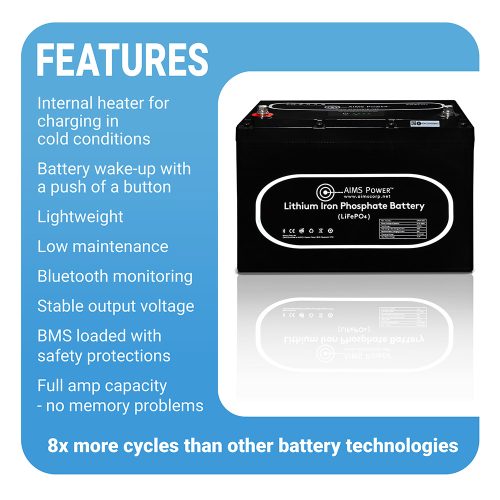
LiFePO4 delivers about twice the usable storage capacity per pound, charges faster, and handles far deeper battery discharge before the voltage sags. AGM costs much less up front. If the battery lives in a vehicle where weight matters or gets cycled hard every day, lithium pays for itself. For a backup battery that sits charged and rarely runs, AGM is the practical pick.
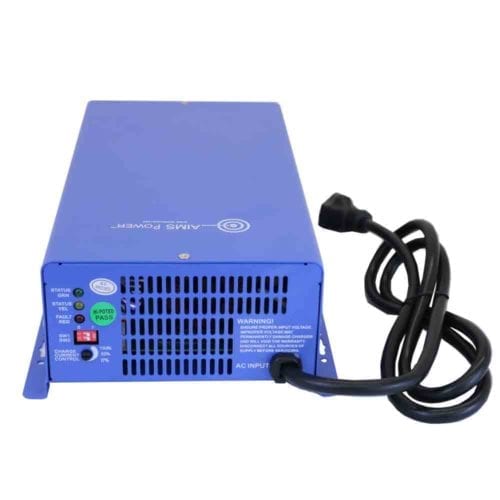
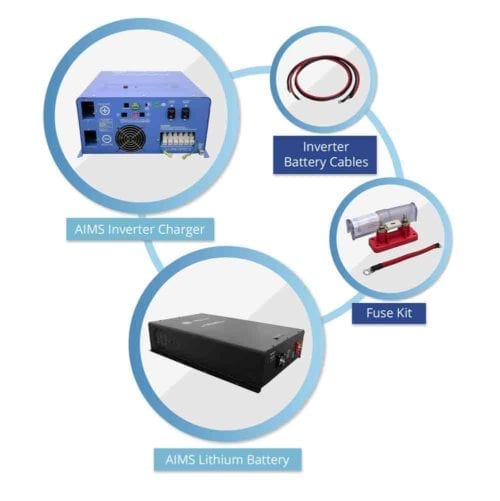
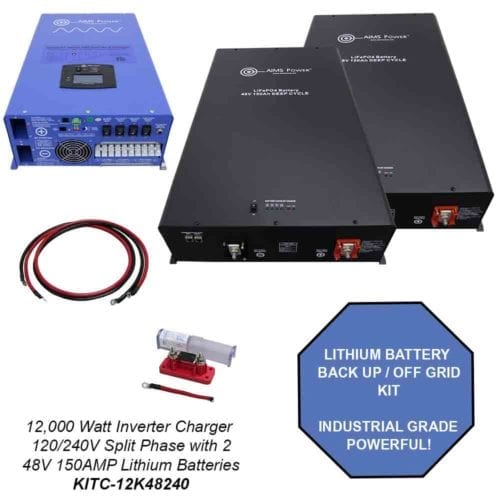
Yes, with the right inverter in front of it. Pair the bank with an inverter charger, and it switches to stored energy in milliseconds when the local utility drops. After an extreme weather event, public utilities can take days to bring the power grid back, so plan on a battery storage system sized for more than one night. For a full setup already matched and wired, look at our off-grid solar kits, backup power kits, lithium battery kits, or a solar generator.
Only if it matches. Mixing chemistries, capacities, or ages inside one bank drags every battery down to the weakest cell, and pairing lead acid chemistry with lithium is the fastest way to ruin both. Replace the whole string at once, or run the new battery as a separate bank with its own charging source.
In most cases, yes. The charge controller between the solar array and the battery is what has to match the chemistry, so confirm it has a LiFePO4 profile before switching from lead acid. Send us your panel specs through the quote form, and we will tell you what carries over, including how much excess electricity you could be storing instead of losing. More information is live on our FAQs page and the blog.