










































Off-Grid Deals and Tips
Stay Charged
Be first to hear about new products, seasonal deals, and off-grid power tips.
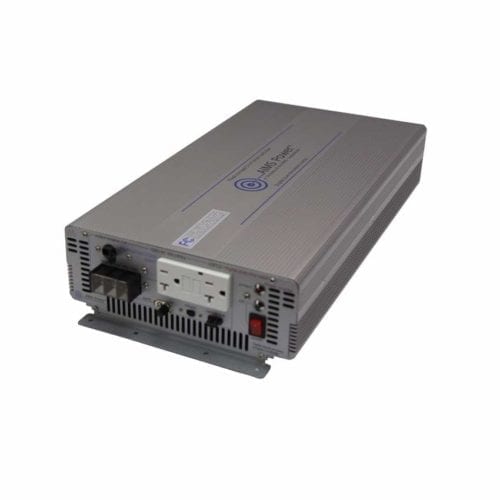
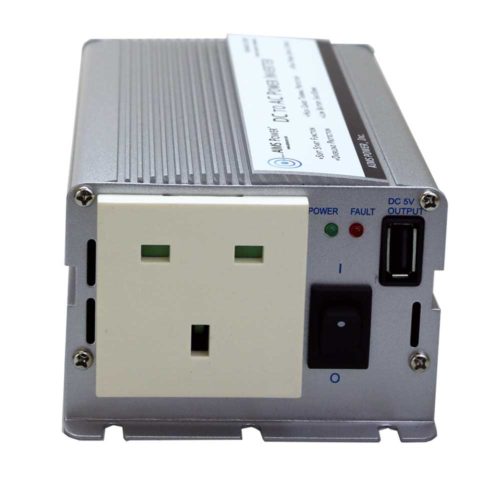
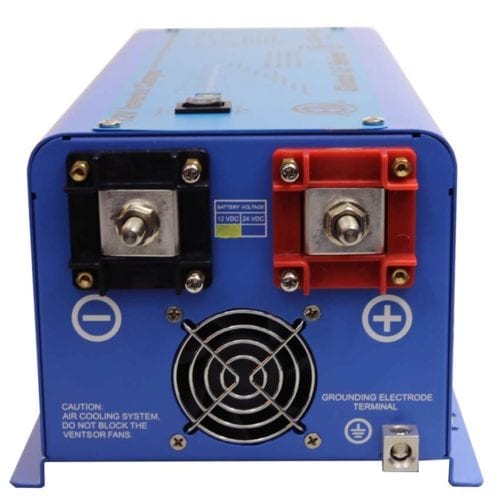
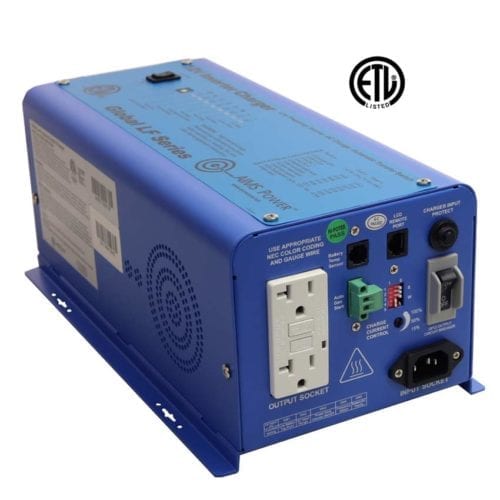
180 Watts to 12,000 Watts
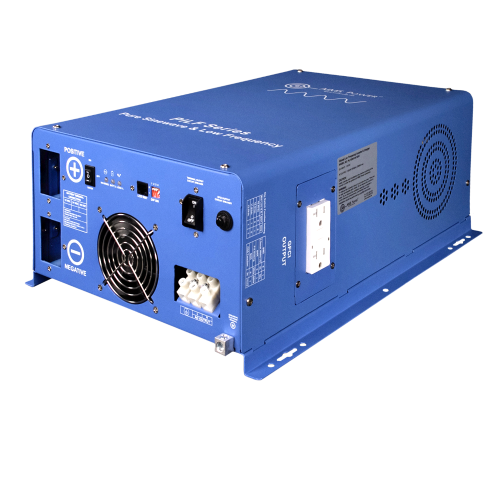
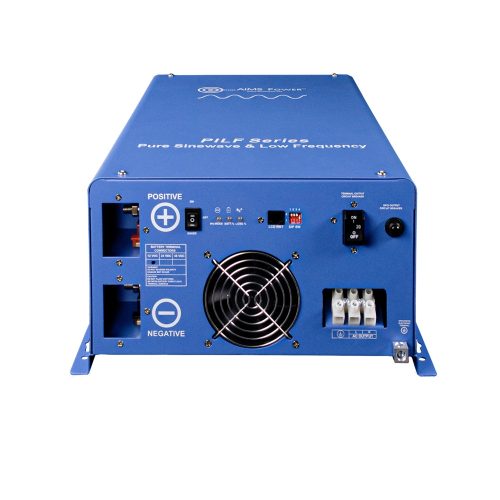
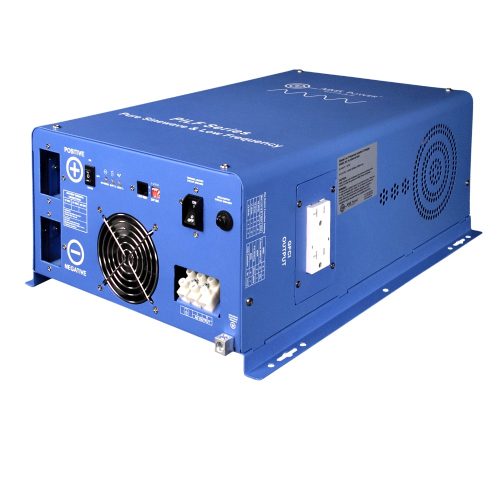
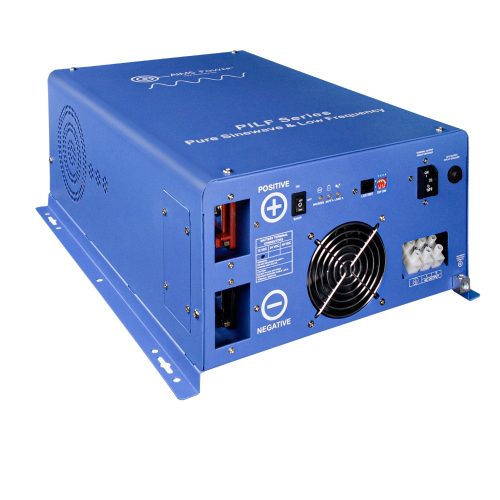
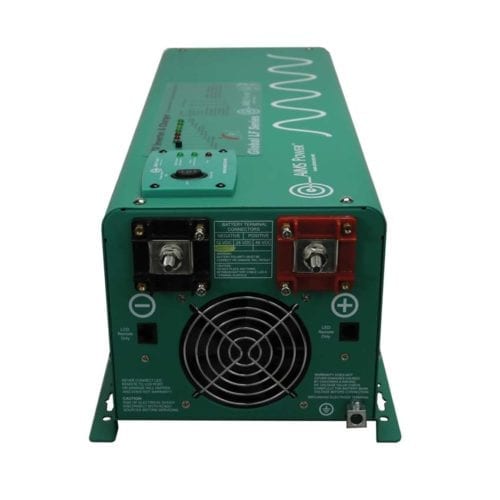
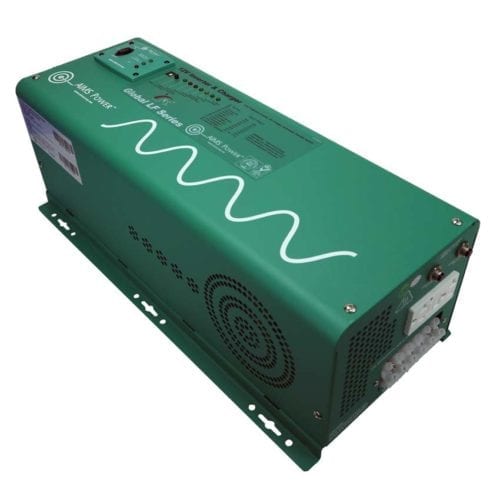
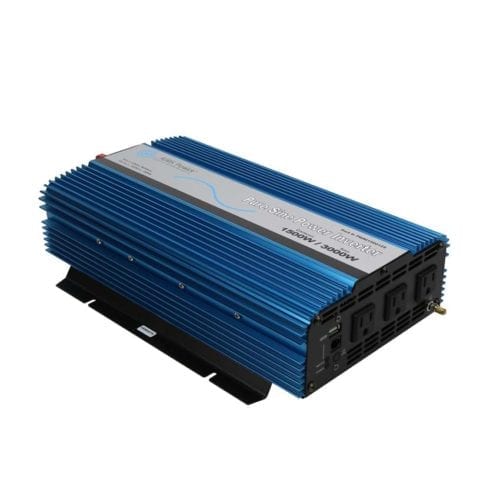
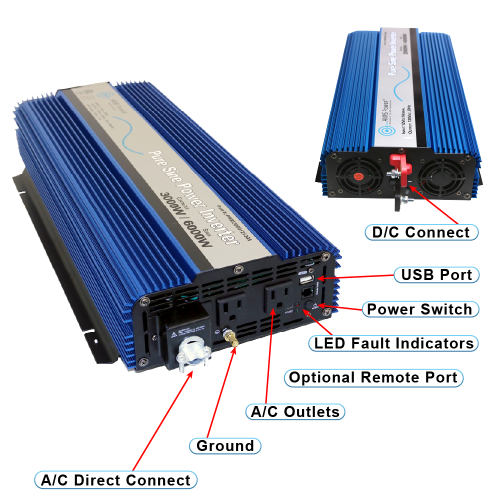
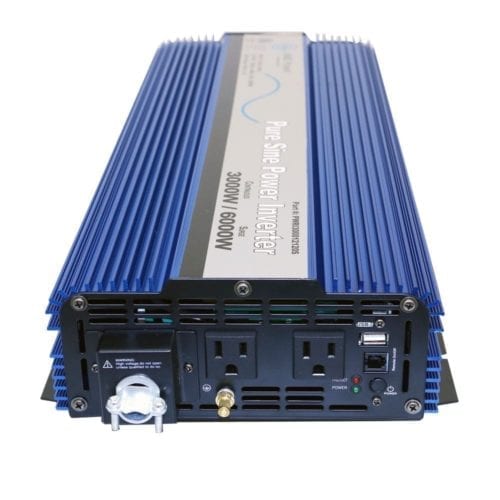
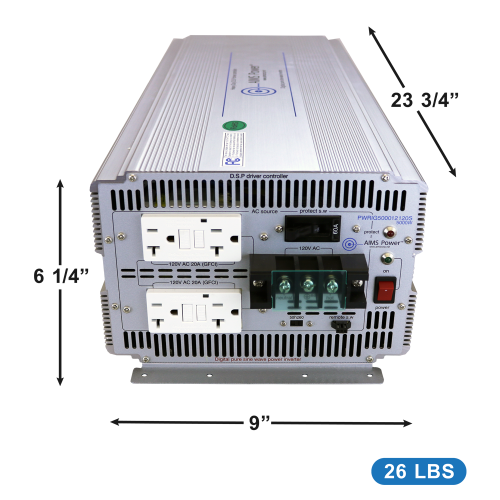
A pure sine wave inverter produces smooth AC power that matches what comes out of a wall outlet. That matters for anything with a circuit board or chip in it, since a modified sine wave inverter puts out a blocky waveform that makes motors run hot and adds electrical noise. A pure sine wave inverter lets you run a laptop, a microwave, or medical equipment off battery power without worrying about damage.

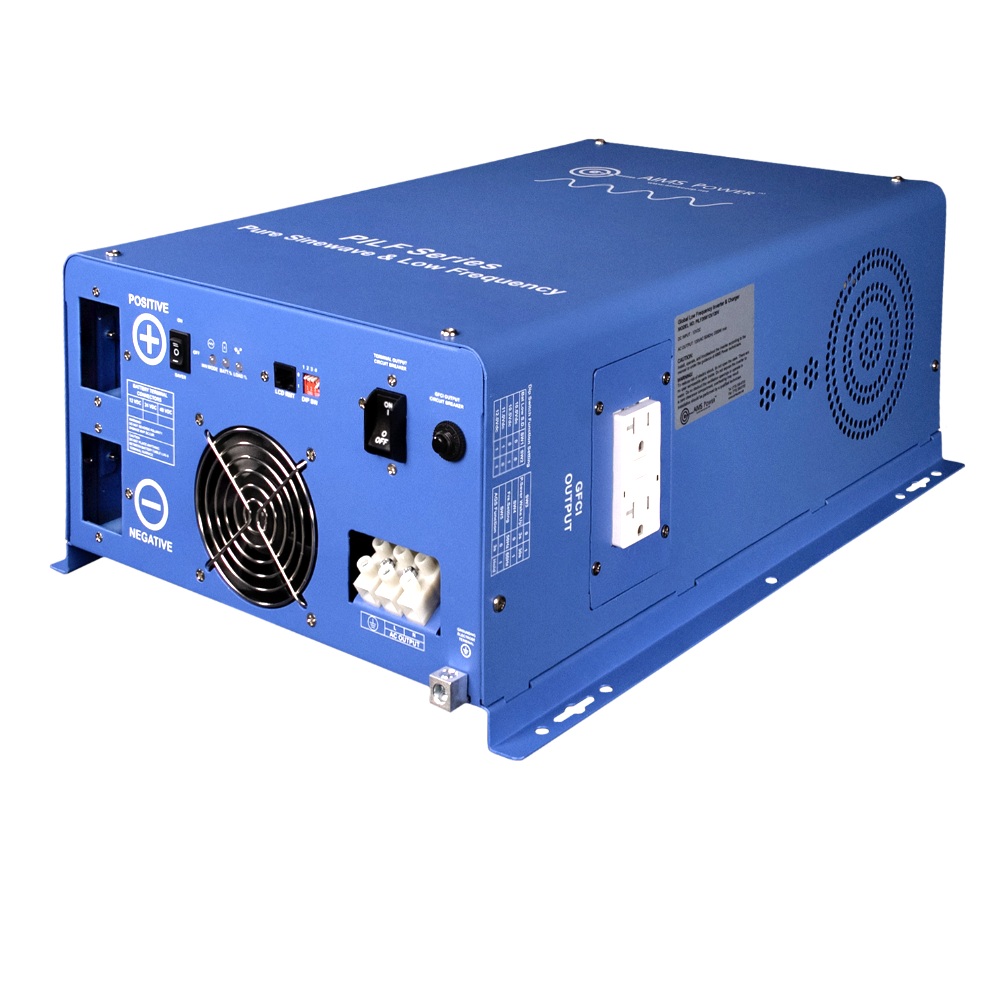


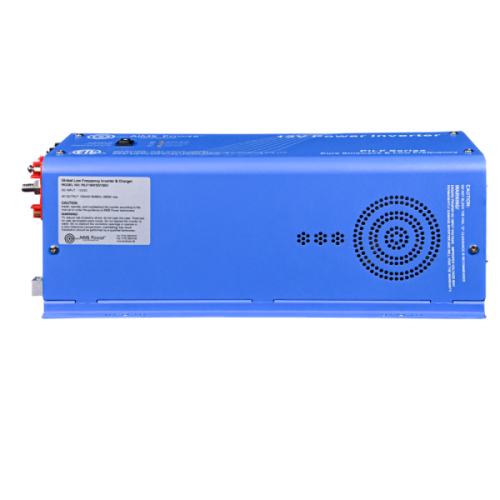
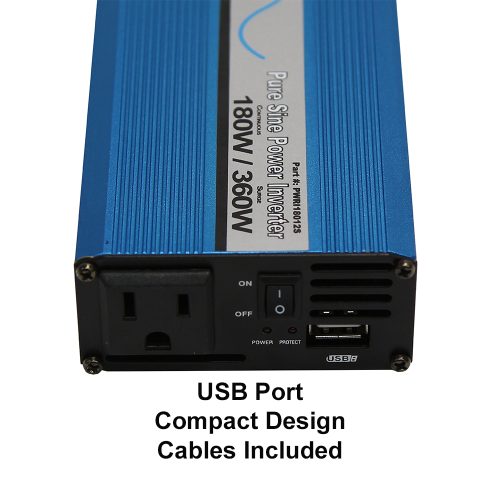
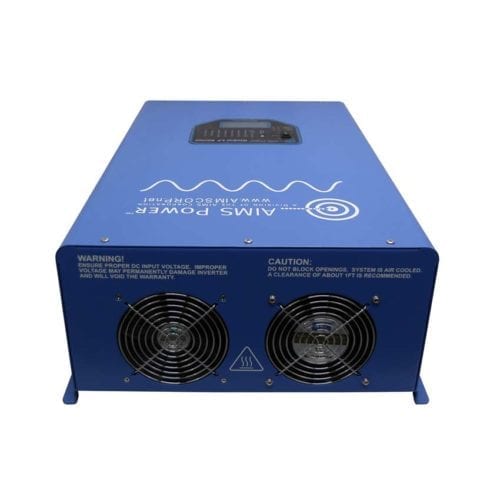
Two decades of power inverter experience stand behind every unit here, from a 180-watt car inverter to a 12,000-watt split-phase system.

Experts match the inverter, the wire gauge, and the battery bank to your loads. Call a live tech at 888-417-8673 or use technical support before or after you buy.

Spread the cost of a larger pure sine inverter or complete solar kit at checkout with financing, so you can set up reliable power now and pay over time.

Most inverter orders ship free from our U.S. warehouse to the 48 states (some exclusions apply), so your pure sine inverter arrives without added freight.

“This unit came well packaged. No issues with installation. Turned it on and all worked perfectly. … Angel was great, very professional and helpful.”

“The small inverter I bought worked perfectly. Its voltage output was within the specified range. … it pays to spend a little more for quality.”

“I really appreciated the technical support I received. They walked me through the setup step by step, and everything worked perfectly. …”
A pure sine wave inverter puts out a smooth waveform identical to grid power, safe for anything with a circuit board. A modified sine wave inverter uses a stepped waveform that costs less and runs simple loads, but it adds electrical noise, makes motors run hot, and can disrupt more complex electronics.
Add up the continuous power of everything running at once, then check the surge rating against your biggest motor. An air conditioner or a compressor can pull several times its rated draw for a moment at startup. Our power calculator will help you run the numbers.
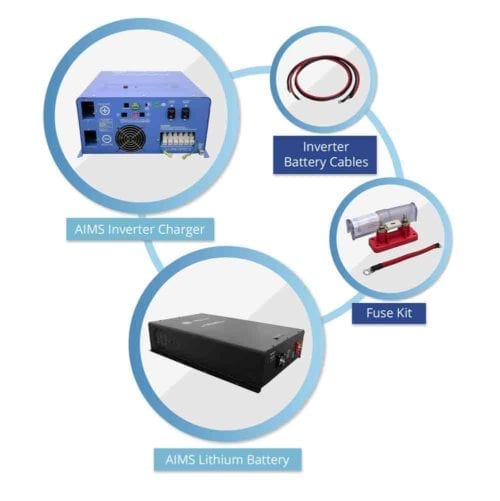
Watts out of the inverter come from amps out of the battery. A 2,000-watt load pulls roughly 180 amps from a 12V bank, so a pair of deep cycle batteries will not run it long. Size the bank for how many hours you need, not just the inverter’s rating, so you always have the capacity you need.
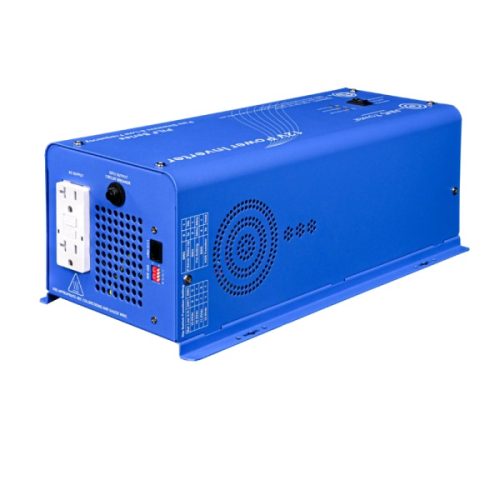
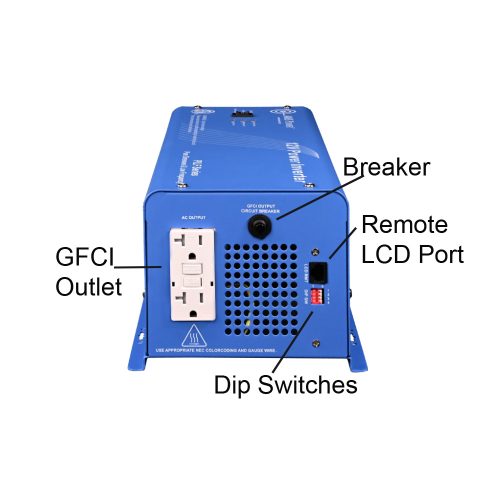
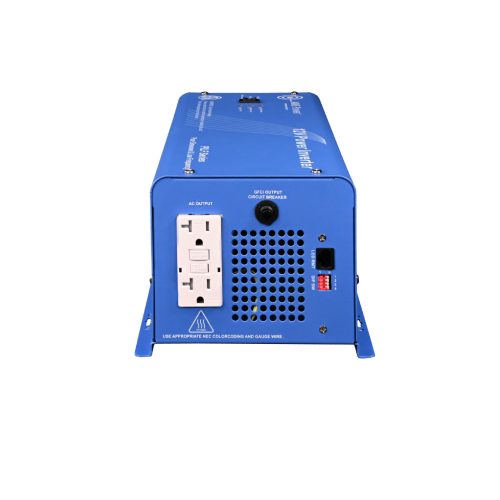
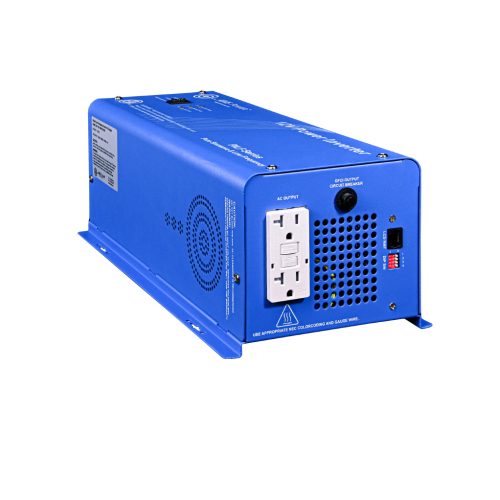
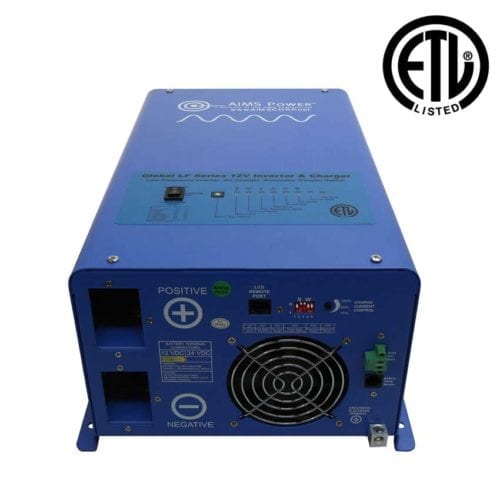
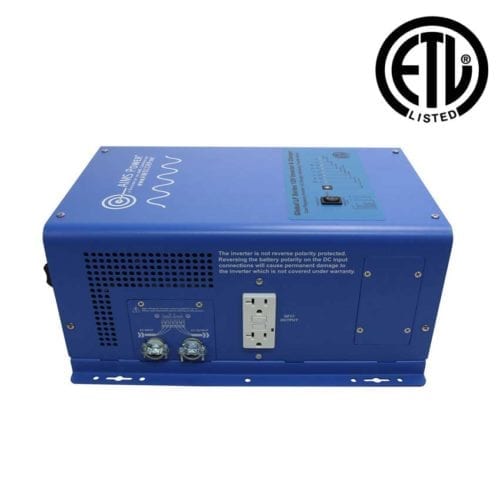
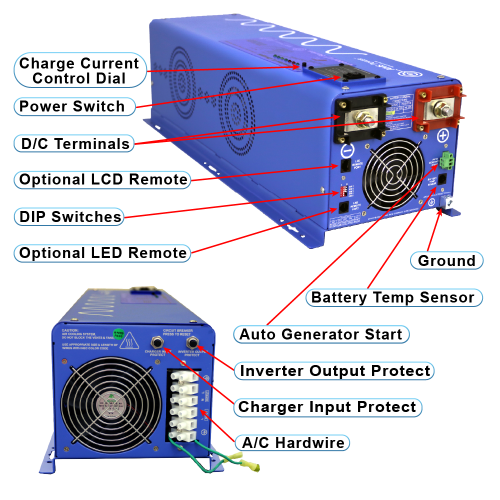
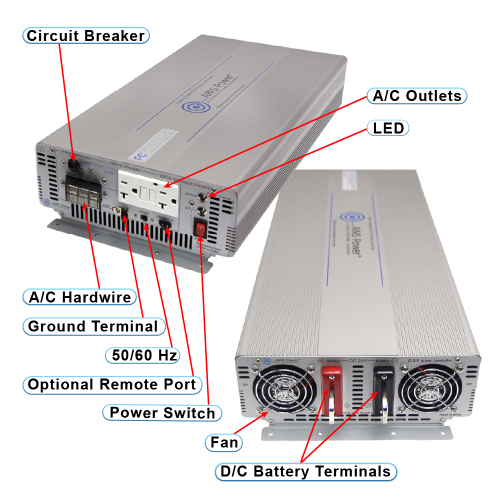
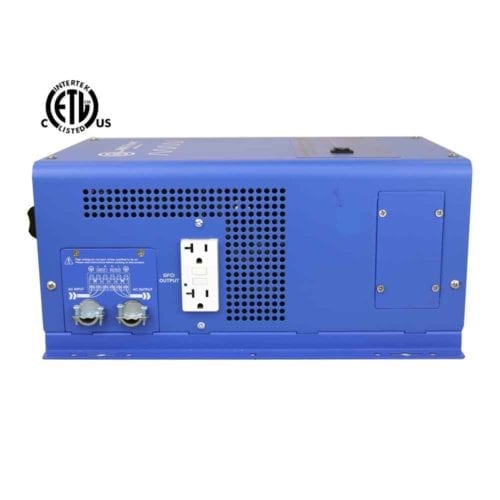
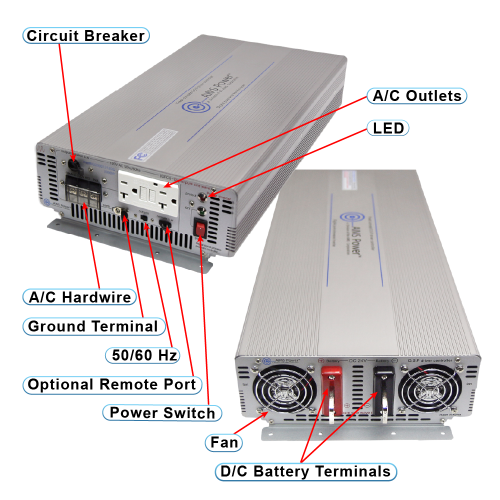
Yes. Our models carry overload protection, short circuit protection, and a low voltage alarm that warns before battery voltage drops too far. Larger units add a cooling fan, and some include a built-in GFCI outlet listed on the product page.
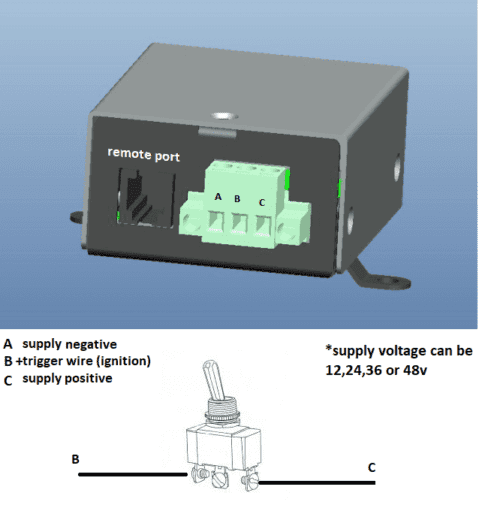
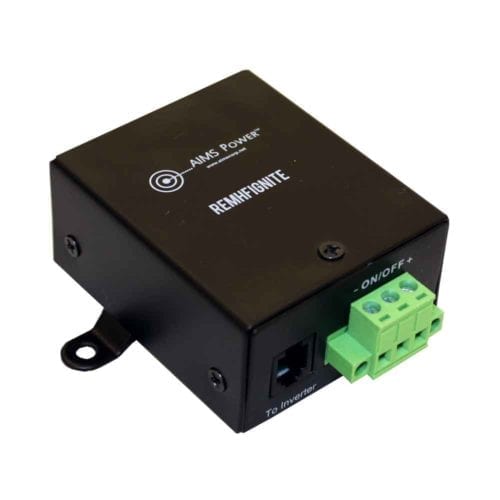
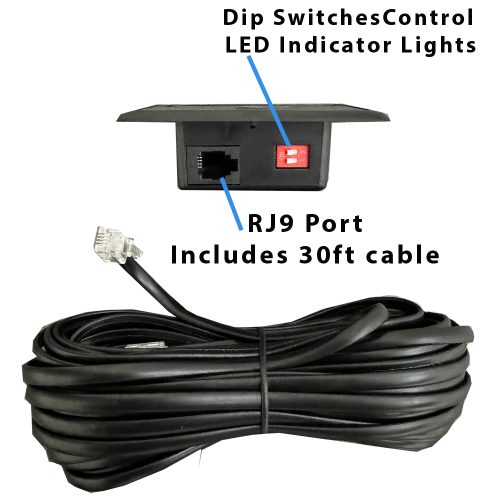
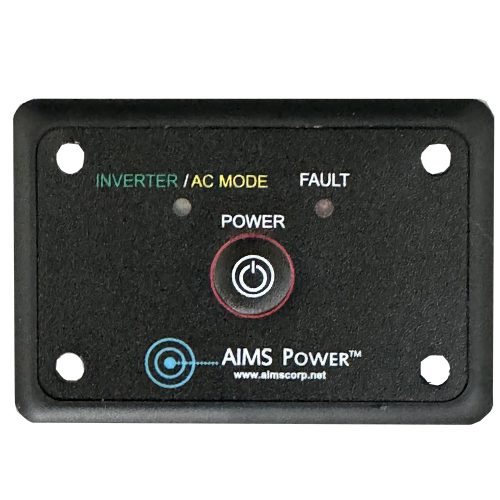
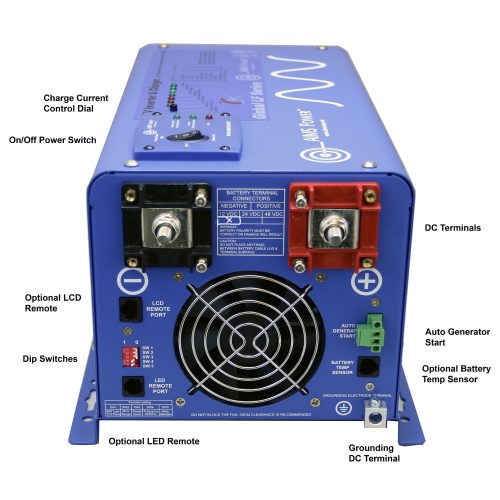
You can add remote control or solar to most of them, but it depends on the unit. Remote panels let you check status and shut the inverter down from another room, and adding a solar panel array with a charge controller keeps the bank charged in real time. Not sure what your model supports? Call 888-417-8673 with your inverter model, and a technician can tell you exactly what works with it.