





























Off-Grid Deals and Tips
Stay Charged
Be first to hear about new products, seasonal deals, and off-grid power tips.
Power That Travels With You
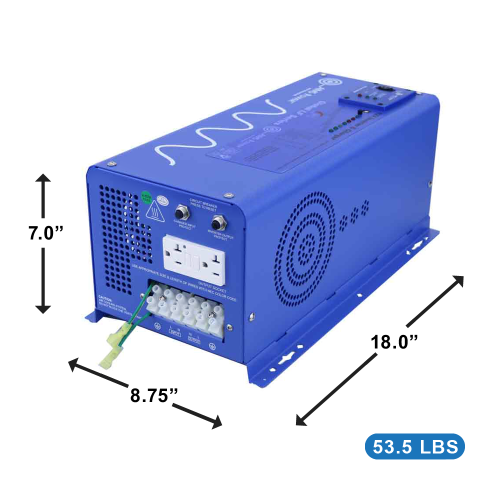
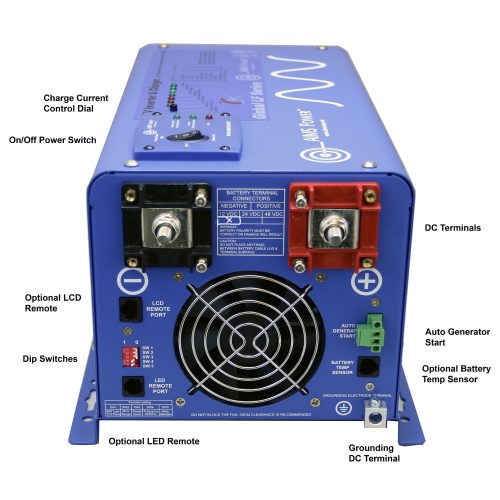
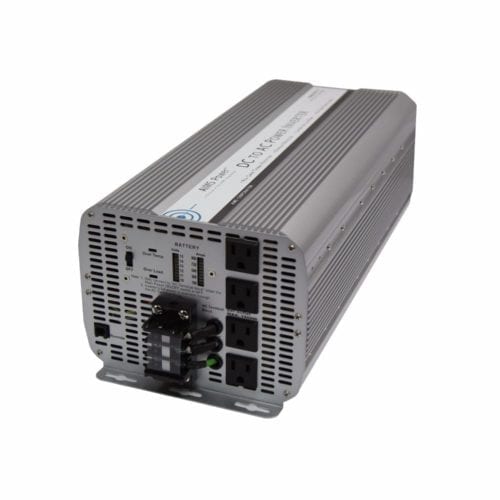
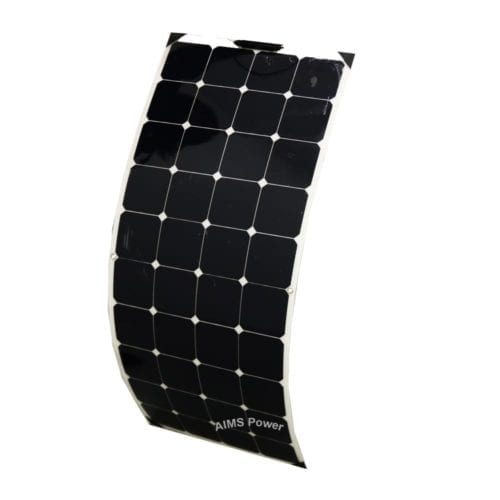
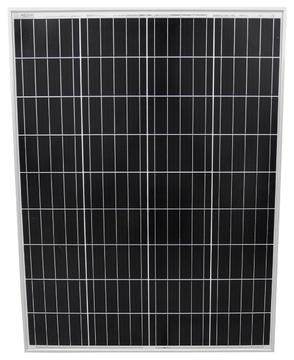
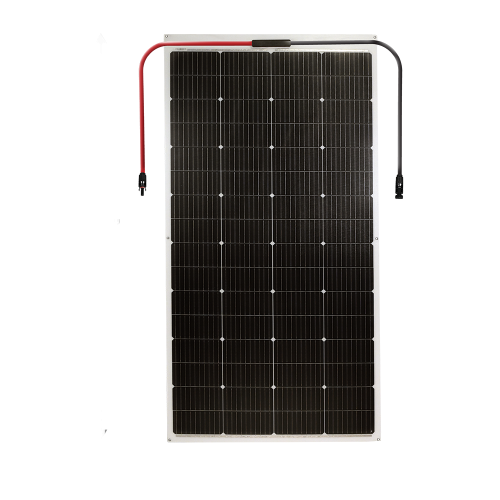
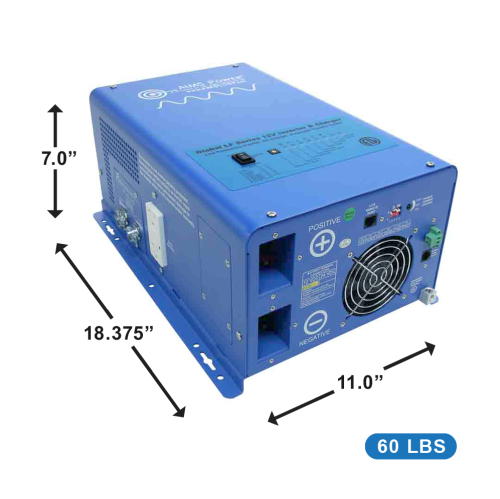
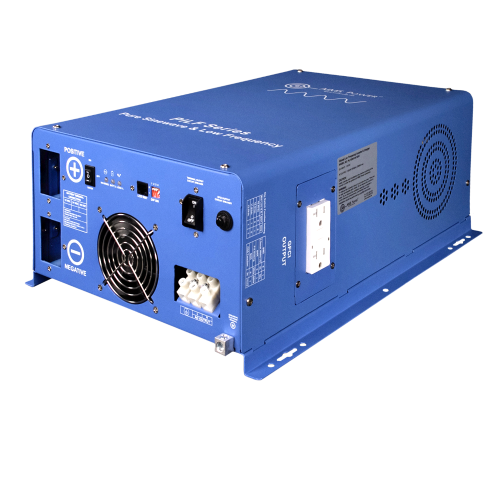
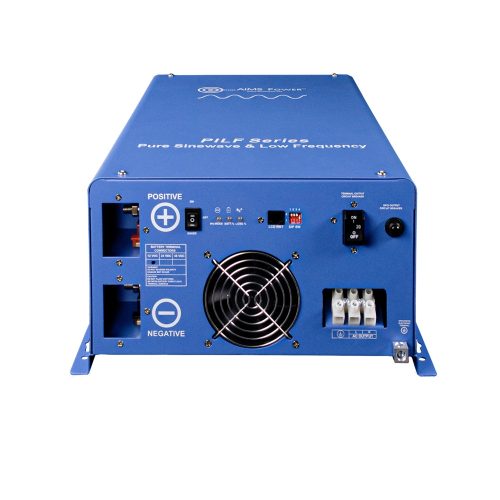
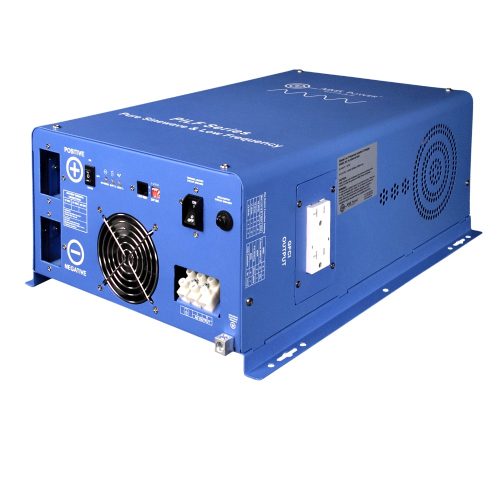
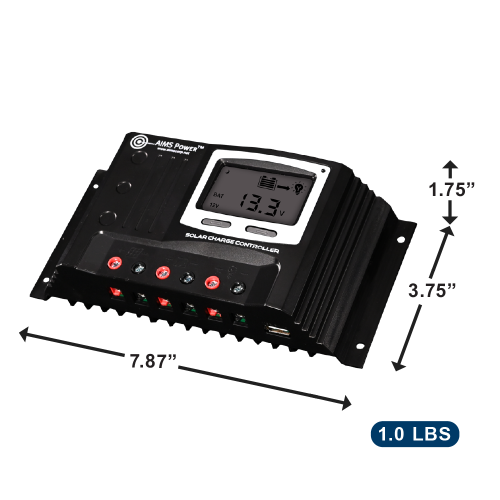
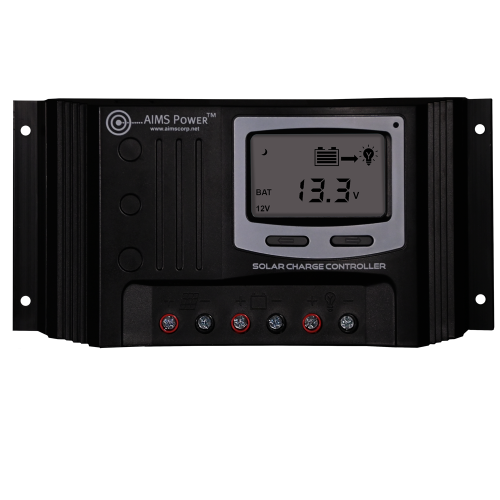
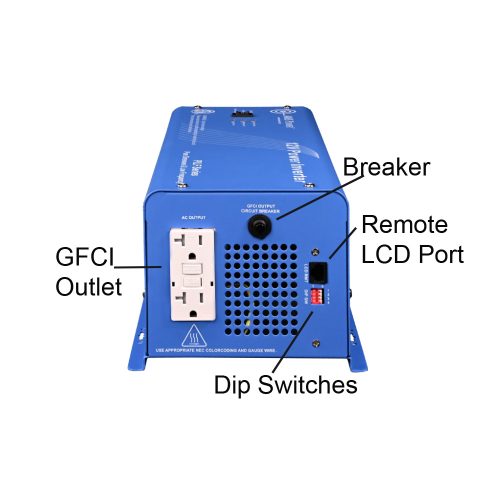
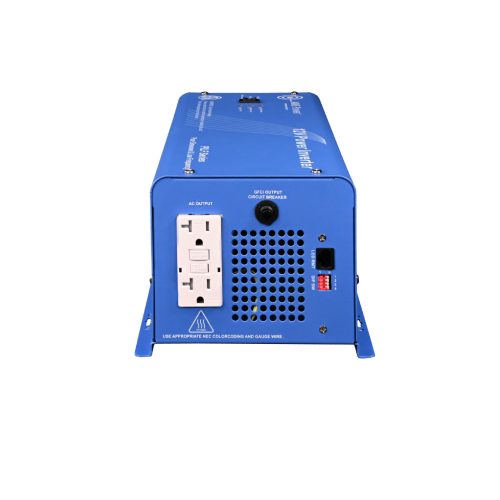
Without an inverter, the outlets in your RV only work when you are plugged in or running the generator. An inverter converts 12V from the house batteries into 120-volt AC, so those outlets work anywhere. Add solar panels and the batteries recharge on their own.

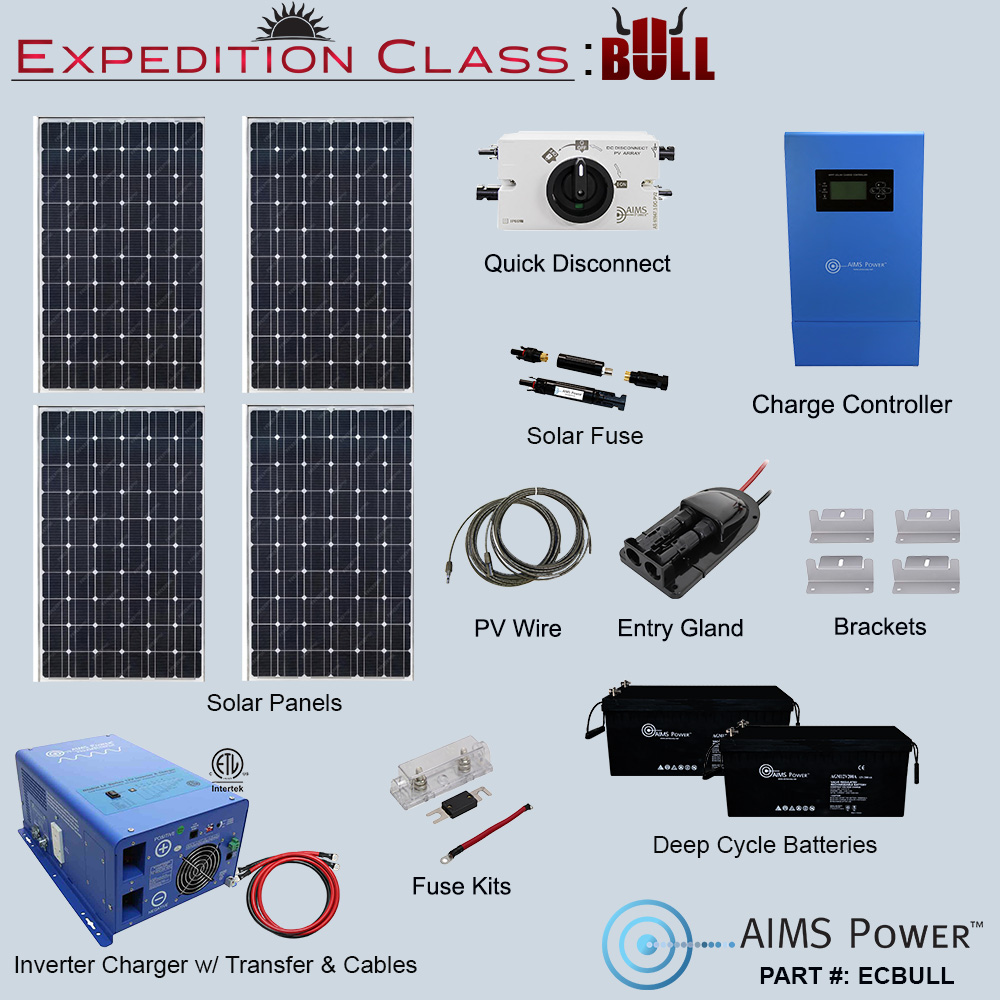


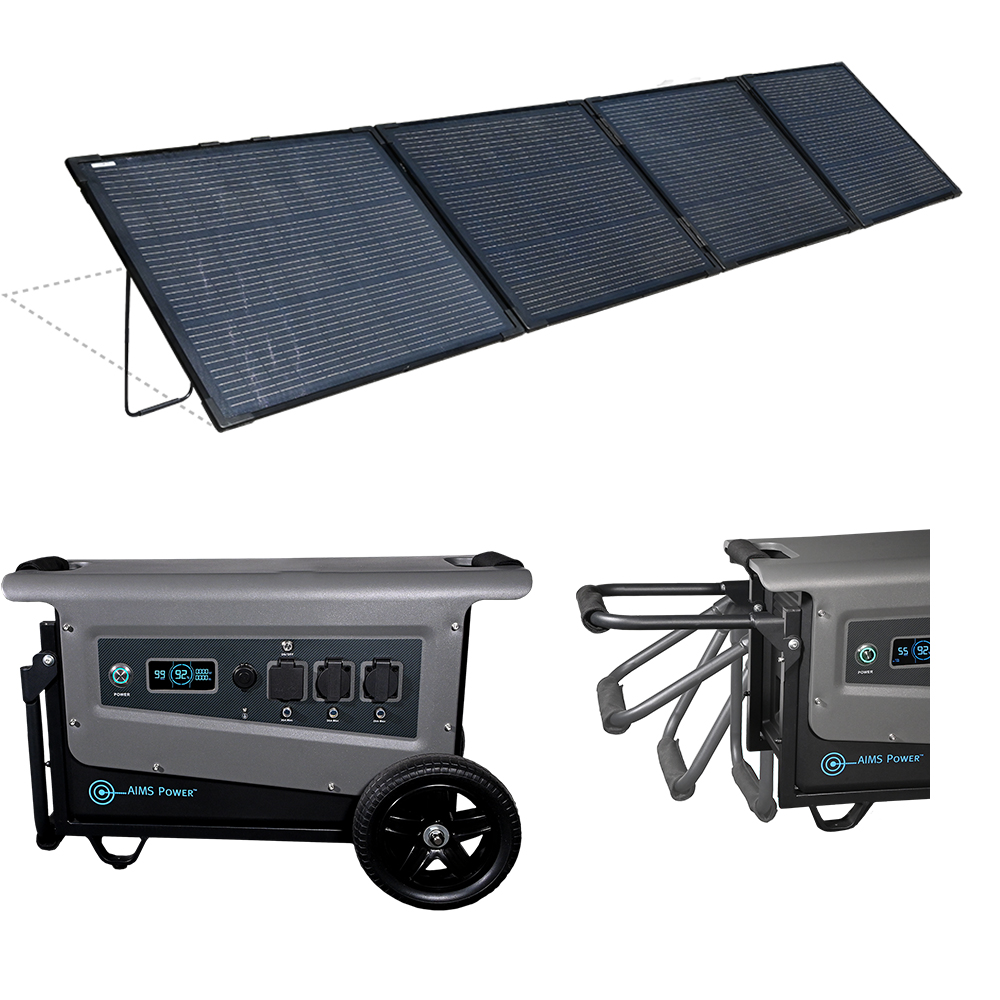

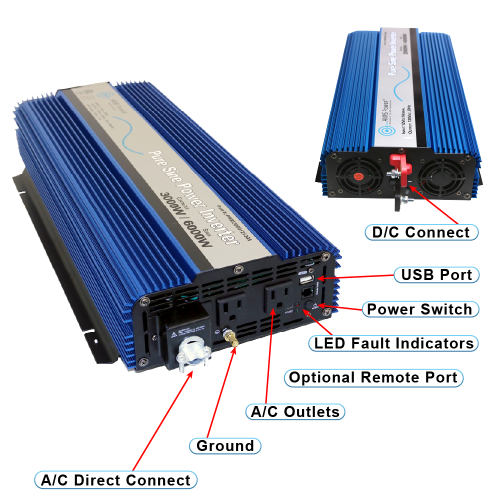
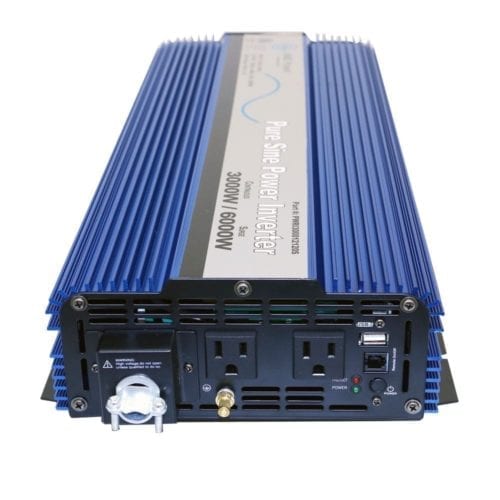
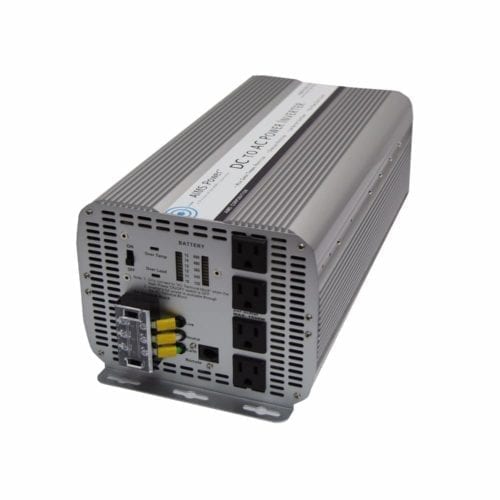
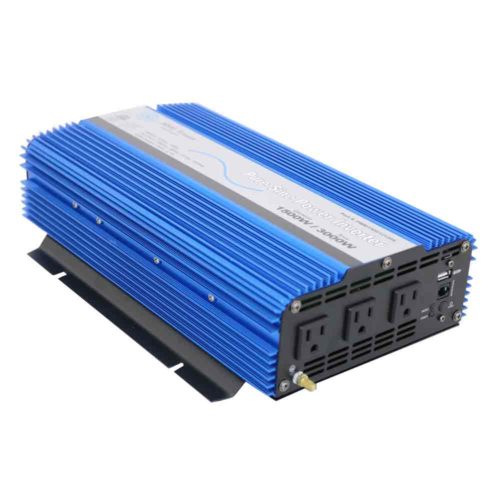
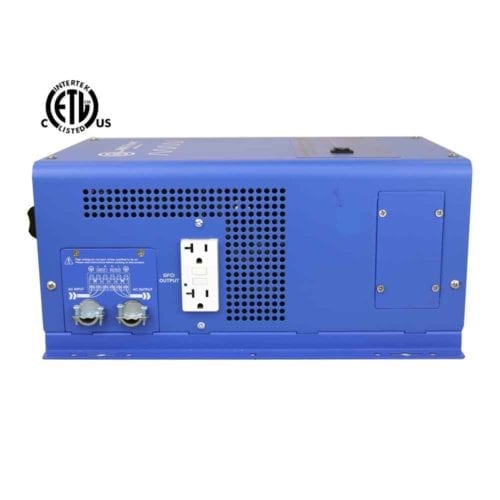
Two decades of mobile power experience stand behind every RV inverter here, from a 600-watt unit to a 12,000-watt inverter charger.

Experts size the inverter, the panels, and the battery bank to what you actually run. Call a live tech at 888-417-8673 or use technical support before or after you buy.

Spread the cost of a larger RV inverter or complete solar kit at checkout with financing, so you can set up reliable power now and pay over time.

Most inverter orders ship free from our U.S. warehouse to the 48 states (some exclusions apply), so your power inverter arrives without added freight.

“Install the 2000 W Inverter charger converter in my RV … Everything is working as designed. … I also use it to keep the frig going when traveling for up to 5hrs.”

“We installed a 300 watt inverter in our RV to power our CPAPs off the RV batteries and not have to run a generator all night. Works great!! … Would definitely recommend!”

“With a phone call Laura in sales helped me match up everything I needed to put my RV/camper solar System together. Thanks guys! Looking forward to buying more stuff from your site!”
Add up the running watts of everything you will use at once, then leave headroom for startup surge. A microwave pulls around 1,200 watts, a residential fridge draws closer to 200 watts running but several times that at startup, and a 15,000 BTU air conditioner needs a 3,000-watt inverter or larger. Every product page lists continuous and surge watts, or run the numbers yourself with our power calculator.
Inverter prep means the manufacturer ran battery cables to a mounting location and wired a few outlets to a dedicated subpanel, so the install is mostly plug and play. Confirm the wire gauge matches the inverter you are buying, since prep is often sized for a 1,000-watt inverter, and a bigger unit needs heavier cable and a larger fuse or circuit breaker.
It depends on how much of the coach you want on inverter power. Feeding a subpanel off the inverter output lets you pick which circuits run from the battery and leaves the air conditioner and converter on shore power only. Wiring the inverter to the whole distribution panel is simpler but drains the bank faster, since the stock converter will create a wasteful charging loop as it tries to charge the batteries from the inverter it is plugged into.
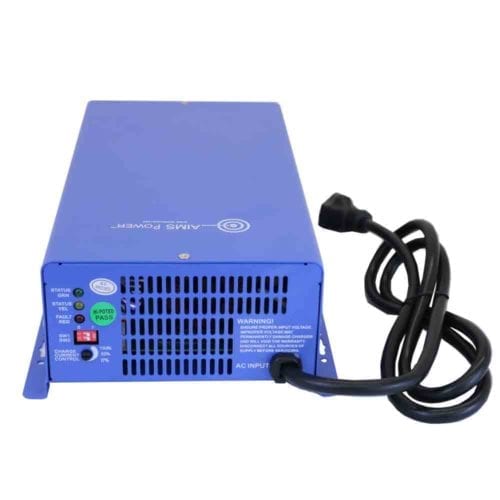
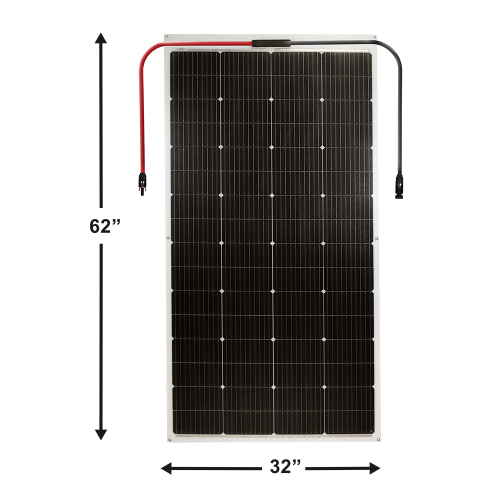
Road vibration loosens things that don’t typically move in a house, so regular inspection matters more in an RV. Check that battery cables are tight and free of corrosion, keep rooftop panels clear of debris and tree sap, and verify the charger settings match your battery chemistry after any swap. Questions on a specific build? Contact us.